Bootloader Exploits on Mobile Devices
How attackers abuse bootloader flaws, insecure unlock paths, and BootROM vulnerabilities to gain persistent control over smartphones and bypass the secure boot chain.
Category: Firmware Attacks · Severity: critical

Modern smartphones implement a multi-stage secure boot chain. Each stage verifies the integrity and authenticity of the next stage using cryptographic signatures anchored in immutable BootROM or fused keys. Bootloader exploits typically target weak verification logic, downgrade paths, engineering modes, or early-stage memory corruption bugs before full protections are enabled.
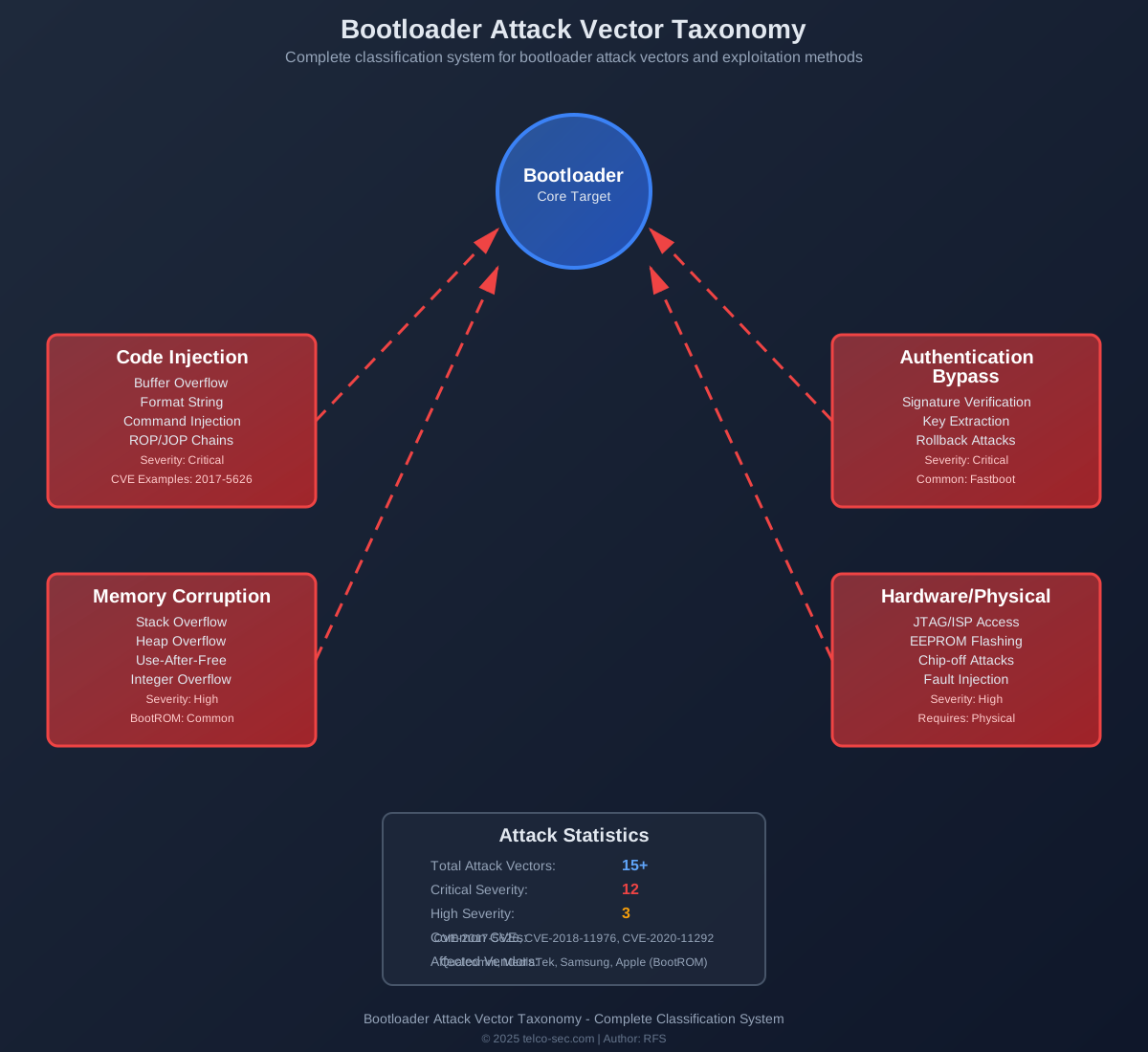
Bootloader exploits range from fully unpatchable BootROM bugs to misconfigurations in OEM unlock logic. The most dangerous issues provide pre-OS code execution with the ability to permanently disable secure boot, inject backdoored firmware, or compromise trusted execution environments.
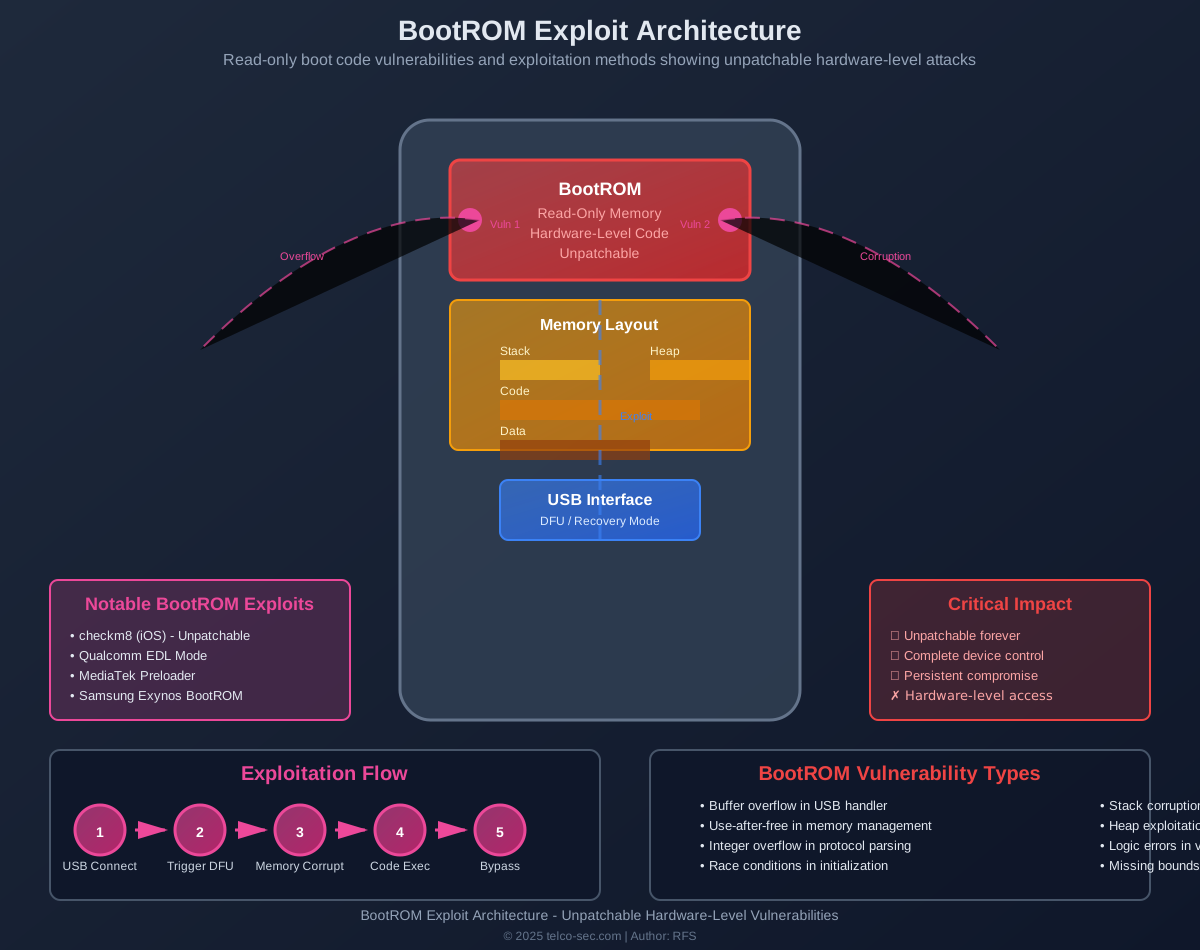

BootROM vulnerabilities are particularly critical because the code cannot be updated after manufacturing. Attackers exploit parsing bugs in USB/fastboot loaders, signature verification routines, or hardware debug paths to gain early arbitrary code execution and bypass all later integrity checks.

Many OEMs expose fastboot or proprietary download modes for legitimate servicing and firmware updates. Weak authentication, missing rollback protections, or unsafe command handlers can allow attackers with physical or supply-chain access to flash unsigned images, downgrade firmware, or inject persistent implants below the OS.

Bootloaders often include complex parsers for boot images, update packages, and verified boot metadata. Historically, insufficient bounds checking, integer overflows, and unsafe memory operations have enabled powerful exploit chains that run with the highest possible privileges before OS defenses (sandboxing, SELinux, verified system partitions) are active.

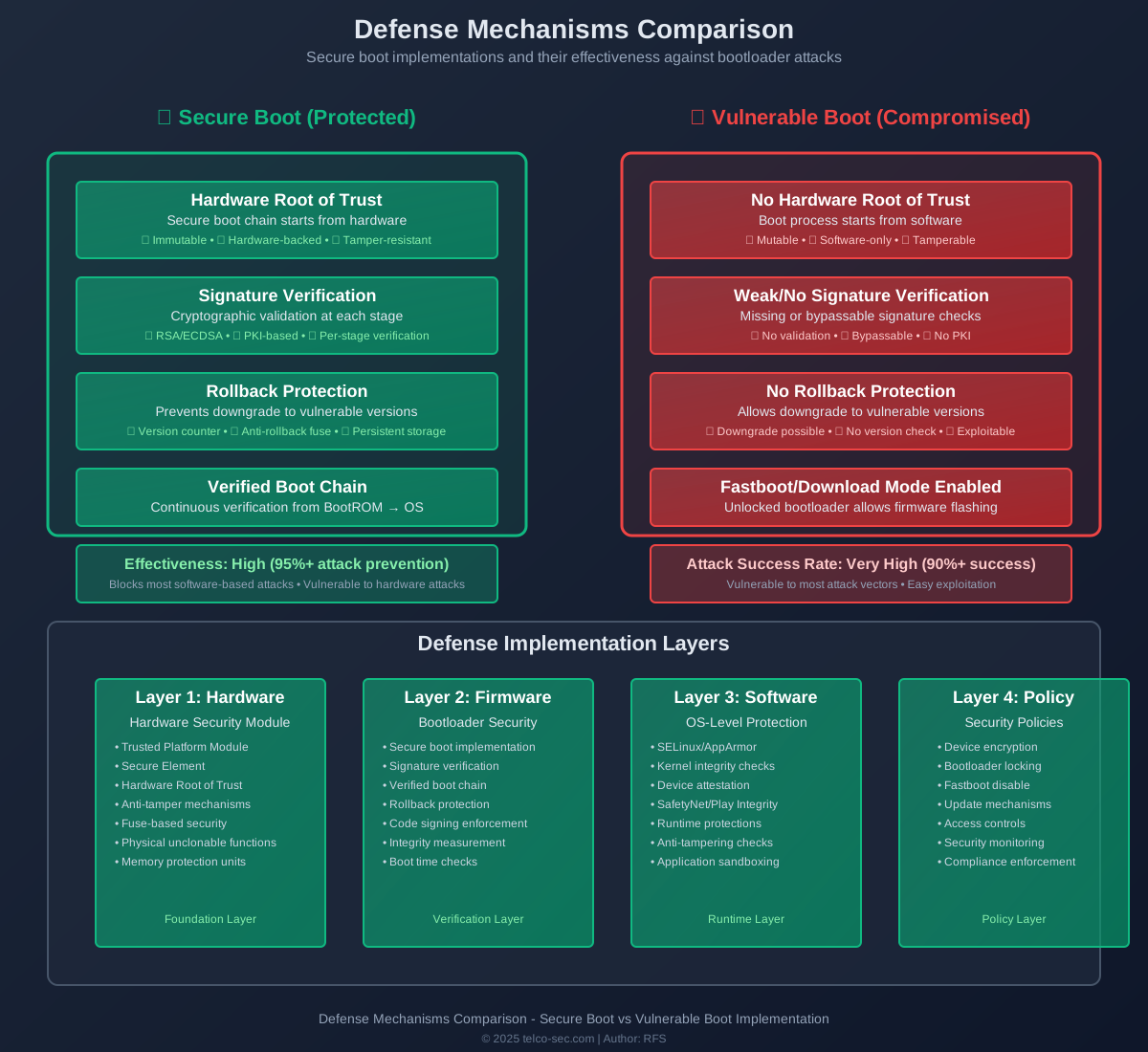
- Public BootROM exploits used by jailbreak communities and forensic tools.
- OEM responses: fuse configuration changes, enforced rollback protection, and certificate revocation.
- Shift toward hardware-backed attestation and remote verification of boot state.
Engineering & OEM Settings
- Disable unnecessary engineering modes and undocumented download interfaces.
- Enforce strong authentication for OEM unlock and fastboot commands.
- Enable irreversible debug fuse lockdown for production devices.
Firmware & Update Pipeline
- Apply compiler hardening and memory safety mitigations to bootloaders.
- Implement strict rollback protection and downgrade prevention.
- Continuously fuzz bootloader parsers and verified boot metadata handlers.