User Equipment (UE) Security Attacks
Comprehensive guide to mobile device security vulnerabilities across device software, firmware, hardware, and authentication mechanisms. Understanding UE attacks is critical for protecting mobile devices from compromise.
Total Attacks
13
Critical
7
High
4
Medium
2
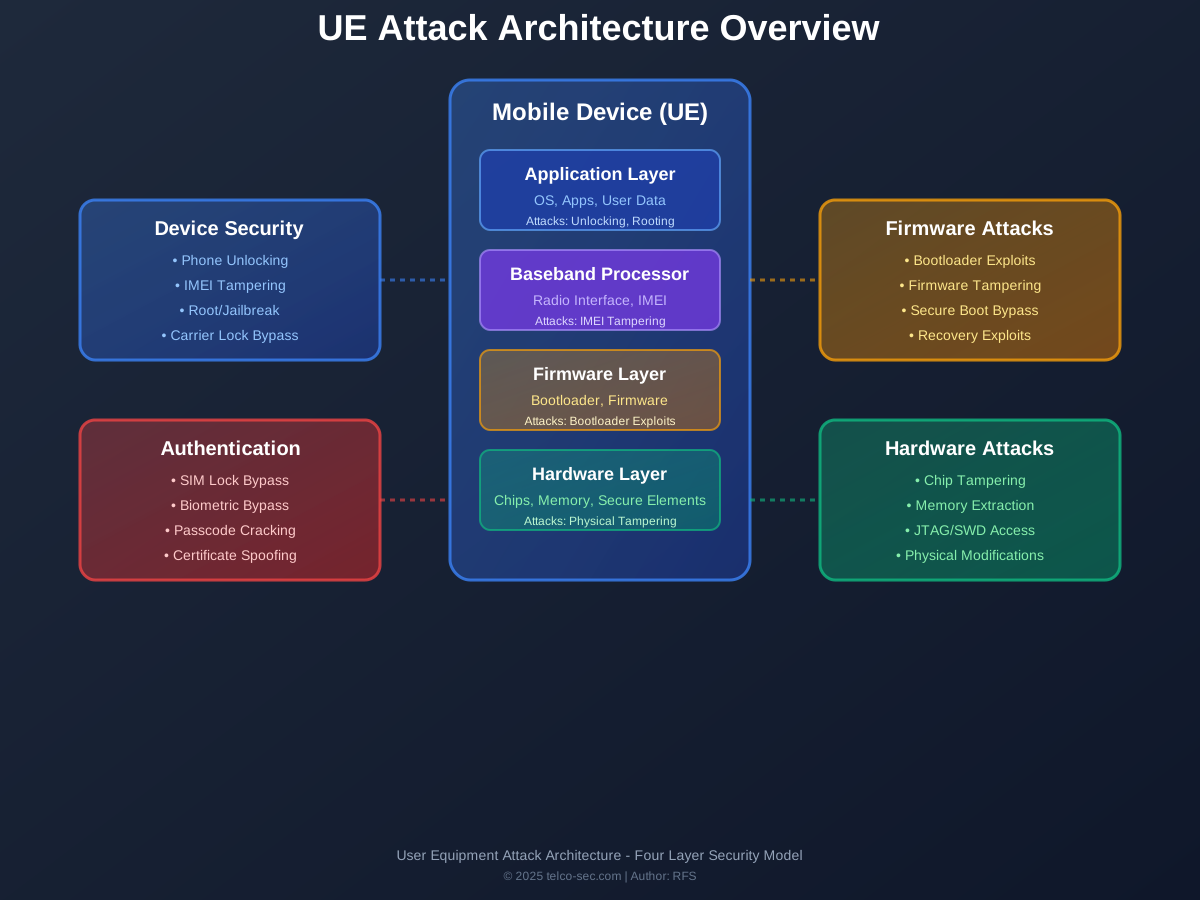
Device Security Attacks
Attacks targeting device-level security features including unlocking, identity tampering, and detection bypass mechanisms.
Unauthorized unlocking of mobile devices to bypass carrier restrictions, remove security features, or gain elevated privileges through bootloader exploitation and software manipulation.
Modification or cloning of the International Mobile Equipment Identity (IMEI) number to evade tracking, bypass blacklists, or impersonate legitimate devices on mobile networks.
Techniques to evade root/jailbreak detection mechanisms in applications and operating systems, allowing compromised devices to appear legitimate and access restricted services.
Exploitation of device fingerprinting techniques to track users across applications and services, or to spoof device identities for fraud and privacy violations.
Firmware Attacks
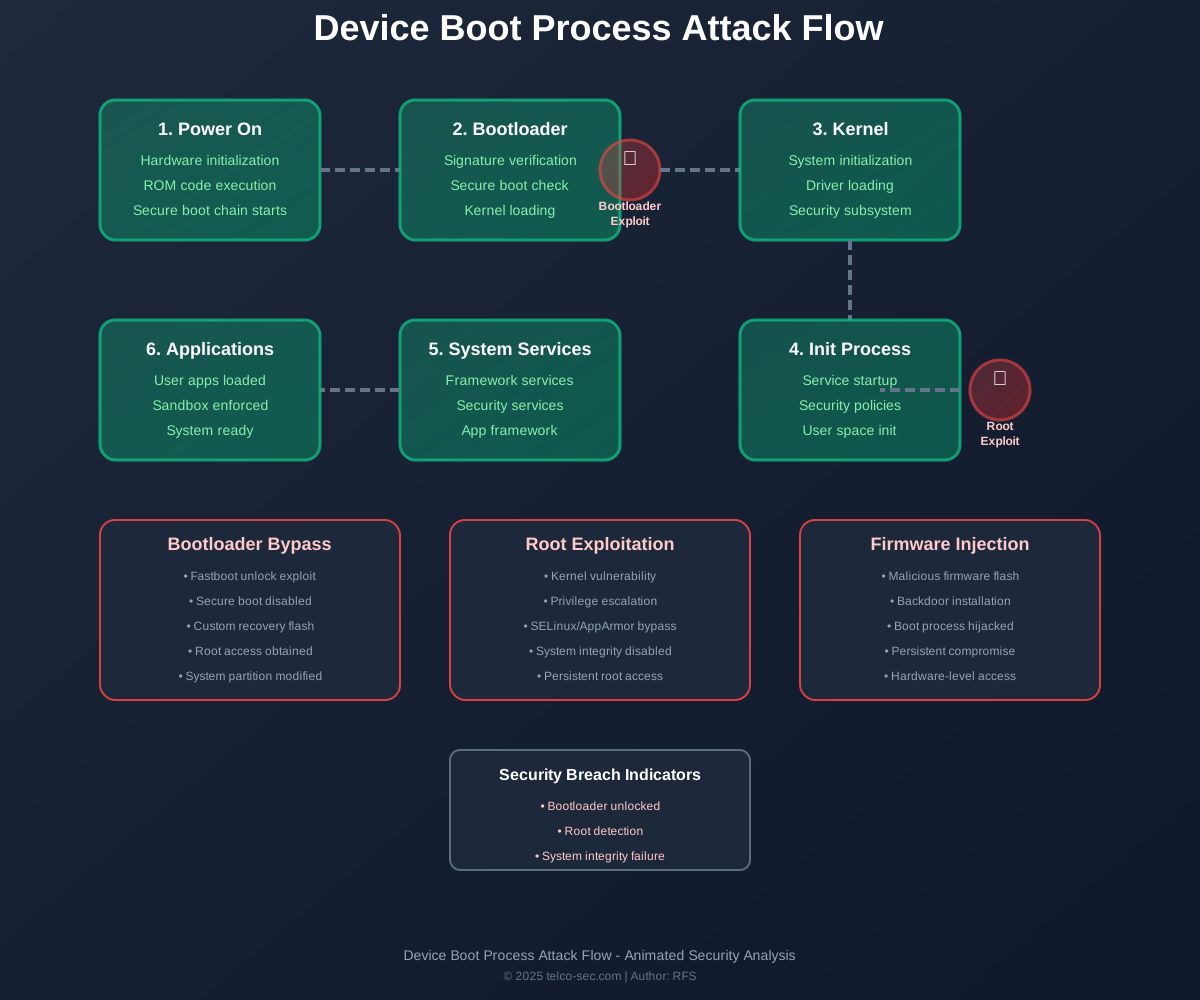
Low-level attacks targeting bootloader, firmware, and secure boot mechanisms that operate below the operating system.
Exploitation of vulnerabilities in the device bootloader to gain unauthorized access, bypass security features, or install malicious firmware before the operating system loads.
Modification of device firmware to inject malicious code, remove security features, or alter device behavior at a fundamental level below the operating system.
Techniques to circumvent secure boot mechanisms that verify the integrity and authenticity of firmware and bootloader code during the boot process.
Authentication Attacks
Attacks targeting device authentication and integrity verification systems including SIM locks and security frameworks.
Circumvention of carrier SIM locks that restrict devices to specific network operators, enabling use of unauthorized SIM cards and bypassing carrier restrictions.
Techniques to evade Samsung Knox and Google SafetyNet/Play Integrity security frameworks that verify device integrity and detect tampering or rooting.
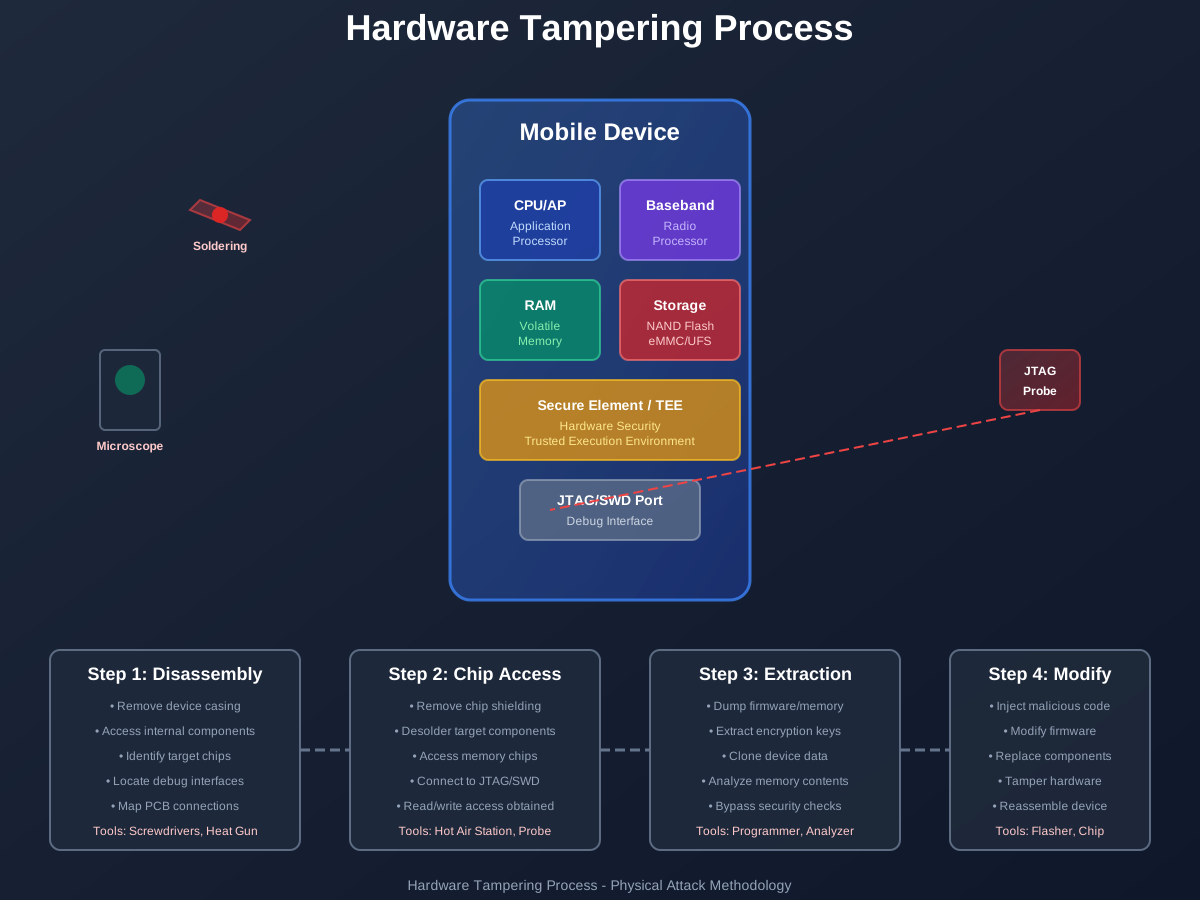
Hardware Attacks
Physical attacks involving hardware modification, component replacement, and tamper detection mechanisms.
Baseband Attacks
Attacks targeting the baseband processor firmware and internals, including remote code execution, firmware backdoors, and baseband processor exploitation.
Exploitation of vulnerabilities in the baseband processor firmware to gain remote code execution, intercept communications, or manipulate radio interface functionality.
Malicious code or backdoors intentionally embedded in baseband firmware to enable remote surveillance, data exfiltration, or device control without user knowledge.
RAN Attacks
Attacks targeting the Radio Access Network (RAN) interface, including radio protocol manipulation, network spoofing, protocol downgrade attacks, and man-in-the-middle attacks on cellular communications.
Key Terms
- UE (User Equipment)
- Mobile device including phone, tablet, or IoT device
- IMEI
- International Mobile Equipment Identity - unique device identifier
- Bootloader
- Low-level program that initializes device hardware before OS loads
- Baseband
- Processor handling cellular radio communications
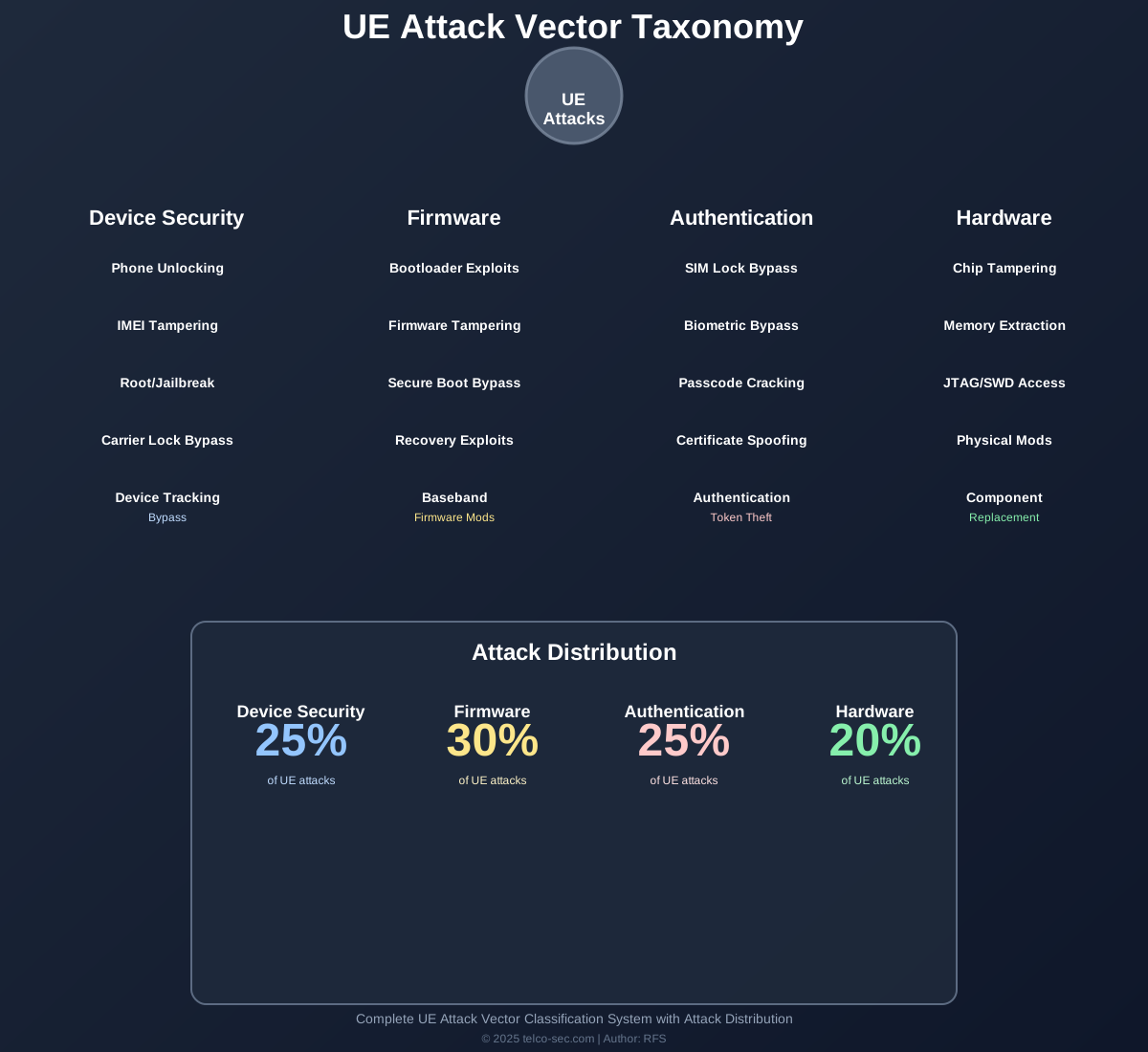
Attack Categories
- • Device Security (4)
- • Firmware (3)
- • Authentication (2)
- • Hardware (1)
- • Baseband (2)
- • RAN (1)
- Device Security
- Attacks on device-level features like unlocking and identity
- Firmware
- Low-level attacks on bootloader and firmware
- Authentication
- Bypass of device authentication and verification
- Hardware
- Physical tampering and component modification
- Baseband
- Baseband processor firmware exploitation
- RAN
- Radio Access Network interface and protocol attacks
Severity Levels
- Immediate security compromise, unpatchable vulnerabilities
- Significant security impact, requires immediate attention
- Moderate security risk, manageable with proper controls
UE Security Best Practices
Related Attack Categories
- TransmissionsTransmission security vulnerabilities across all technologies
- Android SecurityAndroid device security vulnerabilities and exploitation techniques
- Mobile Network AttacksComplete guide to mobile network attack vectors across all generations
- SIM AttacksSIM card security vulnerabilities including SIM swapping and cloning
- SIM Security ChecklistComplete security assessment framework for SIM card and device protection
- SS7 Attacks & VulnerabilitiesComplete guide to SS7 protocol vulnerabilities and signaling attacks
- GTP VulnerabilitiesCritical security issues in 4G/5G GTP protocol implementations
- VoLTE Security AnalysisIn-depth analysis of VoLTE security vulnerabilities and IMS attacks
- Penetration Testing GuideProfessional methodologies for mobile device and network security testing
- Case StudiesReal-world mobile device and network attack case studies