SIM Lock Bypass Techniques
Comprehensive analysis of vulnerabilities, attack methods, and security implications associated with mobile device SIM lock bypass techniques
Understanding SIM Lock Mechanisms
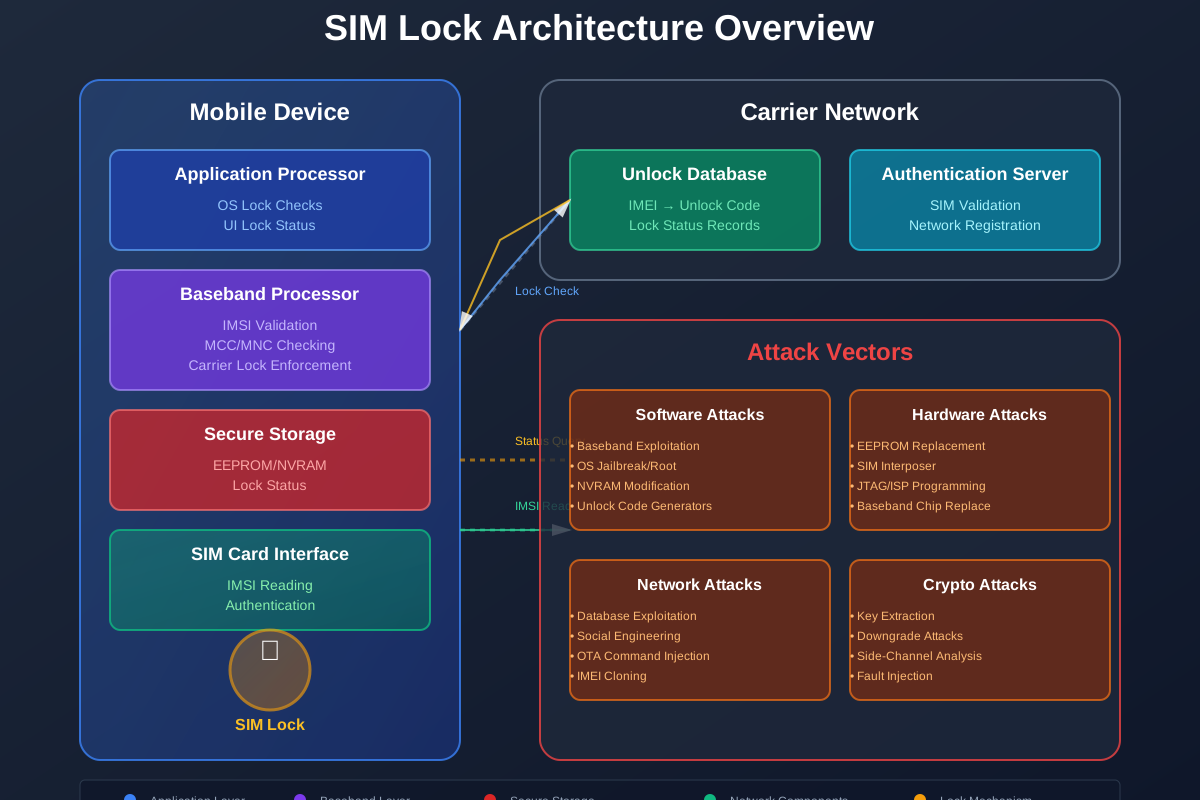
SIM locks (also known as carrier locks or network locks) are software restrictions implemented by mobile carriers to prevent devices from being used with other carriers' SIM cards. Understanding how these mechanisms work is essential for comprehending bypass techniques and their security implications.
A SIM lock is a technical restriction placed on mobile devices that prevents them from accepting SIM cards from carriers other than the one that sold the device. This is typically implemented through:
- Software Restrictions: Code in the device firmware that checks SIM card identity
- Carrier Identifiers: Verification of Mobile Country Code (MCC) and Mobile Network Code (MNC)
- IMSI Checking: Validation of the International Mobile Subscriber Identity
- Unlock Codes: Cryptographic codes required to disable the lock
Mobile carriers implement SIM locks for several business and security reasons:
- Subsidy Recovery: Recoup costs of subsidized device prices through service contracts
- Customer Retention: Prevent customers from easily switching to competitors
- Theft Deterrence: Reduce device theft by limiting resale value
- Market Segmentation: Control device distribution across different markets
Baseband Processor Level
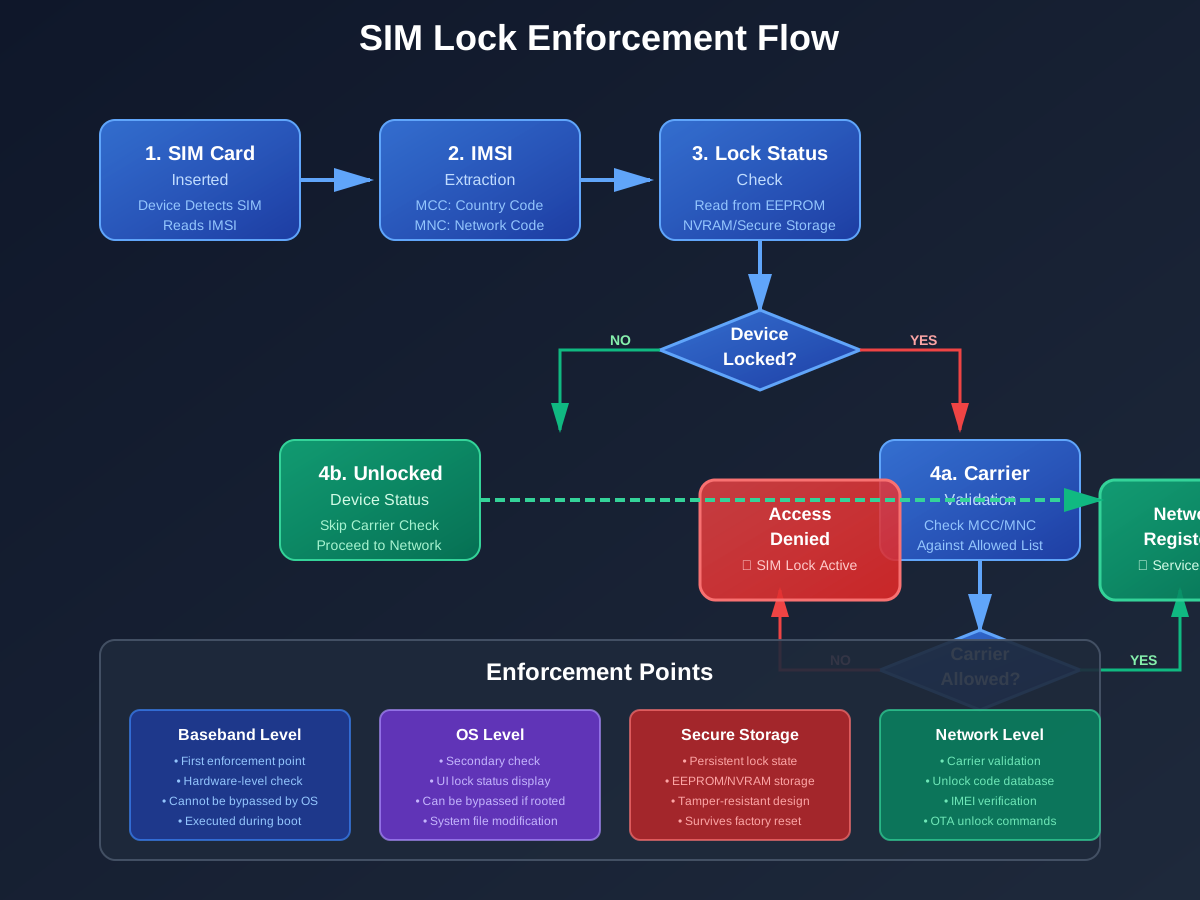
The baseband processor (modem chip) handles cellular communications and enforces SIM lock restrictions. It checks the SIM card's IMSI against an allowed list stored in non-volatile memory. If the IMSI doesn't match, the device refuses to register with the network.
Operating System Level
The device operating system (iOS, Android) also implements lock checks. These checks verify carrier identity during boot and when SIM cards are inserted. The OS may display lock status and handle unlock code entry.
Secure Storage
Lock status and unlock codes are stored in secure, tamper-resistant memory (EEPROM, secure enclave). This storage is designed to resist unauthorized modification and maintain lock state even after factory resets.
Cryptographic Verification
Modern devices use cryptographic signatures to verify unlock codes. The unlock code is derived from device-specific identifiers (IMEI) using proprietary algorithms, making it difficult to generate valid codes without carrier authorization.
SIM Lock Bypass Techniques
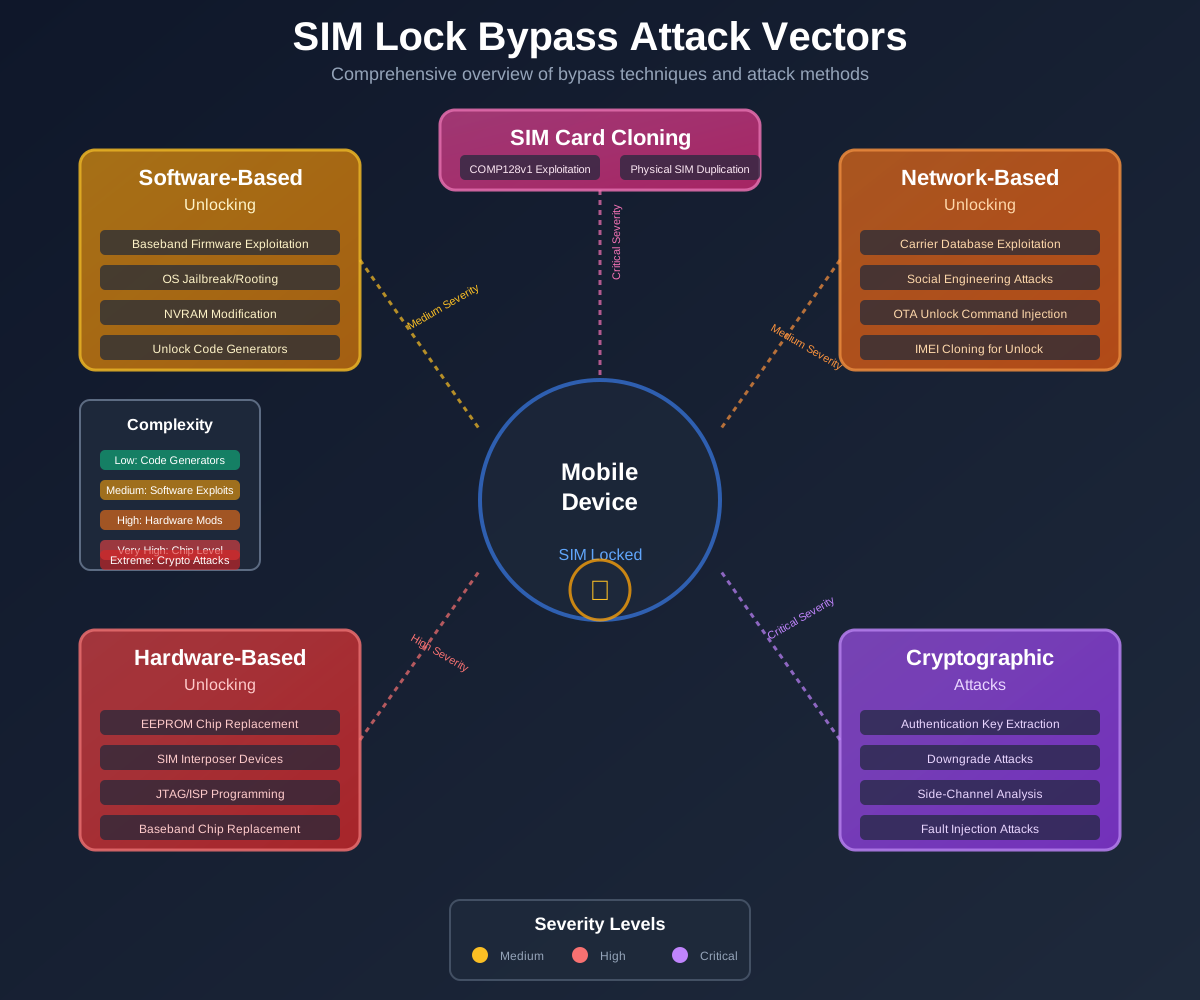
Various methods exist to bypass SIM lock restrictions, ranging from simple software exploits to complex hardware modifications. Understanding these techniques is crucial for implementing effective security measures.
Security Implications
SIM lock bypass attempts and successful exploits can have far-reaching security implications affecting users, carriers, and the broader mobile ecosystem.
- Unauthorized tracking of device location and usage patterns
- Interception of calls and SMS messages through cloned SIM cards
- Access to personal data stored on the device or SIM
- Identity theft through compromised SIM credentials
- Unauthorized charges on carrier accounts
- Fraudulent purchases using compromised payment methods
- Cryptocurrency theft through SMS-based 2FA bypass
- Banking fraud via intercepted authentication codes
- Unauthorized network access and resource consumption
- Distributed attacks using compromised devices
- Network congestion from fraudulent usage
- Compromise of carrier infrastructure security
- Permanent device damage from failed unlock attempts
- Malware installation through compromised firmware
- Loss of warranty and manufacturer support
- Reduced device resale value
Warranty and Support Loss
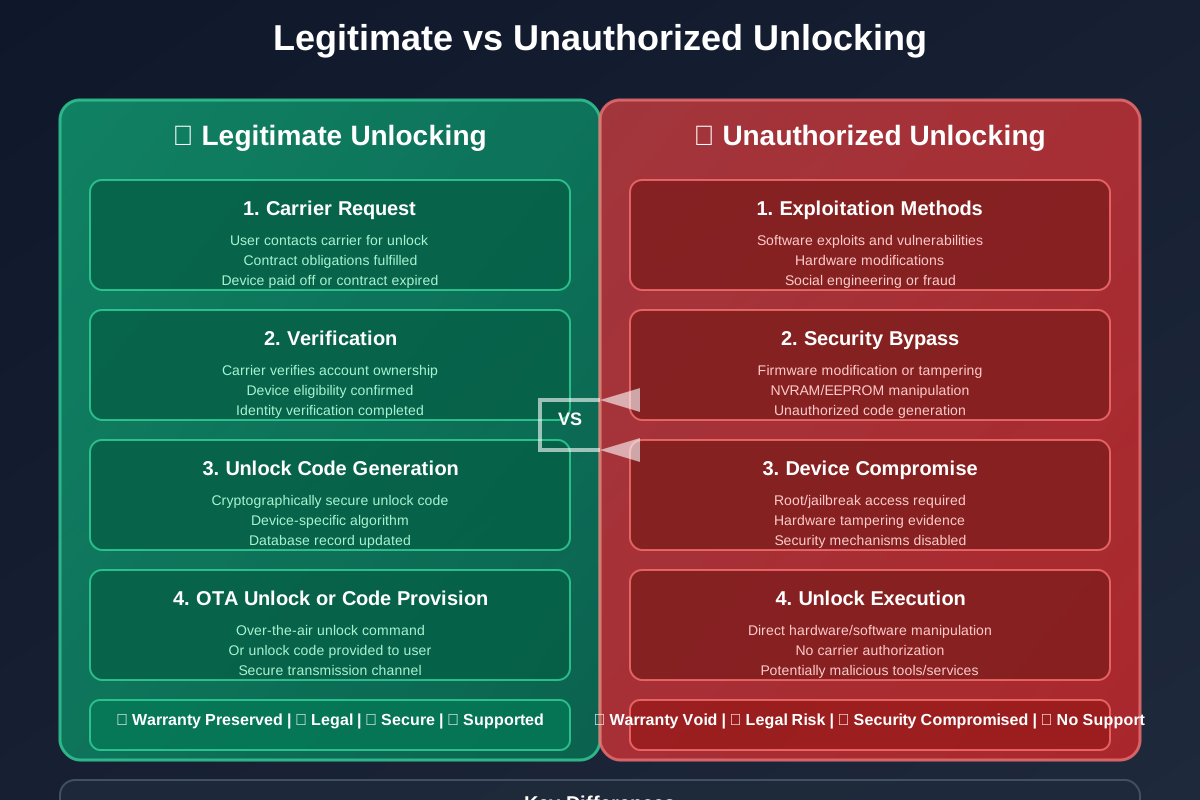
Unauthorized unlocking typically voids manufacturer warranties and carrier support agreements, leaving users without recourse for device issues.
Malware and Compromise Risk
Many unlock tools and services contain malware or require compromising device security (jailbreaking/rooting), exposing users to additional threats.
Legal and Regulatory Risks
Depending on jurisdiction, unauthorized unlocking may violate laws, terms of service, or contractual obligations, potentially resulting in legal action.
Device Bricking
Failed unlock attempts, especially hardware modifications, can permanently damage devices, rendering them unusable ("bricked").
Protective Measures and Best Practices
Comprehensive security measures are essential to protect against unauthorized SIM lock bypass attempts and mitigate associated risks.
Purchase from Authorized Sources
HighBuy devices only from authorized carriers or retailers to ensure they are not pre-compromised.
Avoid Unauthorized Unlocking Services
CriticalUse only official carrier unlock processes. Unauthorized services may compromise device security.
Enable Device Security Features
HighUse strong passcodes, biometric authentication, and enable all available security features.
Monitor Account Activity
MediumRegularly check carrier account for unauthorized unlocks, SIM swaps, or unusual activity.
Use App-Based 2FA
HighPrefer authenticator apps over SMS-based two-factor authentication for important accounts.
Keep Software Updated
HighInstall security updates promptly to patch vulnerabilities that could be exploited for unlocking.
Physical Security
MediumNever leave your device unattended and be cautious of repair services that require extended access.
Carrier Account Protection
HighAdd a PIN or password to your carrier account to prevent unauthorized changes.
Implement Strong Authentication
CriticalUse robust authentication mechanisms for unlock requests and account changes.
Monitor Unlock Patterns
HighDeploy analytics to detect unusual patterns in unlock requests that may indicate fraud.
Secure Unlock Databases
CriticalProtect databases containing unlock codes with strong access controls and encryption.
Employee Training
HighTrain customer service staff to recognize and resist social engineering attacks.
Multi-Factor Verification
HighRequire multiple forms of identity verification for unlock requests.
Audit Trails
MediumMaintain comprehensive logs of all unlock activities for security monitoring and forensics.
OTA Security
CriticalImplement strong OTA command authentication and filtering to prevent remote exploits.
Customer Notifications
HighSend immediate notifications when unlock requests are made or processed.
Secure Boot Implementation
CriticalImplement secure boot to prevent unauthorized firmware modifications.
Hardware Security Modules
CriticalUse dedicated security hardware to protect cryptographic keys and lock status.
Tamper Detection
HighImplement hardware and software tamper detection mechanisms.
Firmware Integrity Checks
HighRegularly verify firmware integrity and detect unauthorized modifications.
Secure Unlock Mechanisms
CriticalDesign unlock processes that require cryptographic verification from carrier systems.
Side-Channel Protections
HighImplement countermeasures against power analysis and other side-channel attacks.
Regular Security Audits
MediumConduct regular security assessments of lock mechanisms and update protections.
Vulnerability Disclosure Program
MediumEstablish programs for responsible disclosure of security vulnerabilities.
Real-World Case Studies
Documented incidents of SIM lock bypass exploits demonstrate the real-world impact and importance of robust security measures.
Impact
Over 50,000 devices unlocked without authorization
Resolution
Carriers implemented enhanced ICCID verification and multi-factor authentication
Key Lessons
- Single-factor verification is insufficient
- Need for real-time fraud detection
- Importance of secure unlock APIs
Impact
Affected millions of devices across multiple manufacturers
Resolution
Manufacturers released firmware updates and improved baseband security
Key Lessons
- Baseband security is critical
- Need for secure firmware update mechanisms
- Importance of coordinated disclosure
Impact
Estimated $10M in stolen devices unlocked and resold
Resolution
Law enforcement arrests and enhanced device tracking systems
Key Lessons
- Physical security measures needed
- Importance of device tracking
- Need for law enforcement cooperation
Impact
Database containing unlock codes for 2M+ devices exposed
Resolution
Database security overhaul and unlock code regeneration
Key Lessons
- Database security is paramount
- Need for encryption at rest
- Importance of access controls
Legal Considerations
The legality of SIM lock bypass varies significantly by jurisdiction. Understanding local laws and regulations is essential before attempting any unlock procedures.
Unlocking is legal for personal use after contract fulfillment. Carriers must provide unlocking upon request. Unauthorized commercial unlocking may violate DMCA.
Reference: Unlocking Consumer Choice and Wireless Competition Act (2014)
SIM locking is discouraged. Carriers must unlock devices upon request, often with minimal restrictions. Consumer protection laws favor unlocking rights.
Reference: EU Consumer Rights Directive
Carriers must provide free unlocking after contract period. Unlocking for personal use is legal. Commercial unlocking services are regulated.
Reference: UK Consumer Rights Act 2015
Carriers must unlock devices for free upon request. SIM locking of new devices prohibited since 2017.
Reference: CRTC Wireless Code
No specific laws against unlocking. Carriers generally provide unlocking services. Consumer law protections apply.
Reference: Australian Consumer Law
- Personal Use: Most jurisdictions allow unlocking for personal use after contract obligations are fulfilled
- Carrier Obligations: Many regions require carriers to provide unlocking services upon request
- Commercial Unlocking: Unauthorized commercial unlocking services may violate copyright or anti-circumvention laws
- Stolen Devices: Unlocking stolen devices is illegal in all jurisdictions and may constitute receiving stolen property
- Warranty Impact: Unauthorized unlocking typically voids warranties regardless of legal status
Always use official carrier unlock processes, maintain device security best practices, and stay informed about emerging threats. For legitimate unlocking needs, contact your carrier directly.