Mobile Network Attacks & Security
Comprehensive guide to mobile network attacks across 2G, 3G, 4G, and 5G technologies
Legal Warning
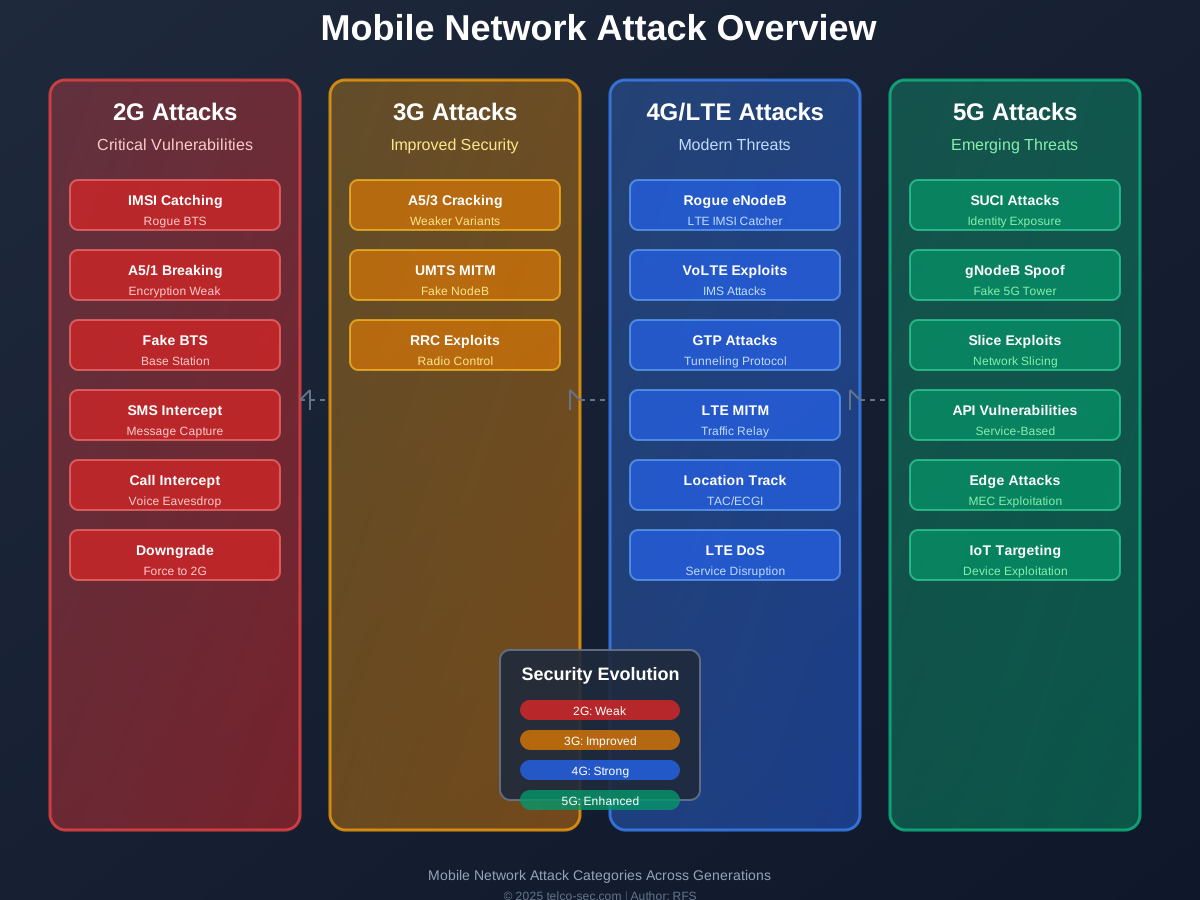
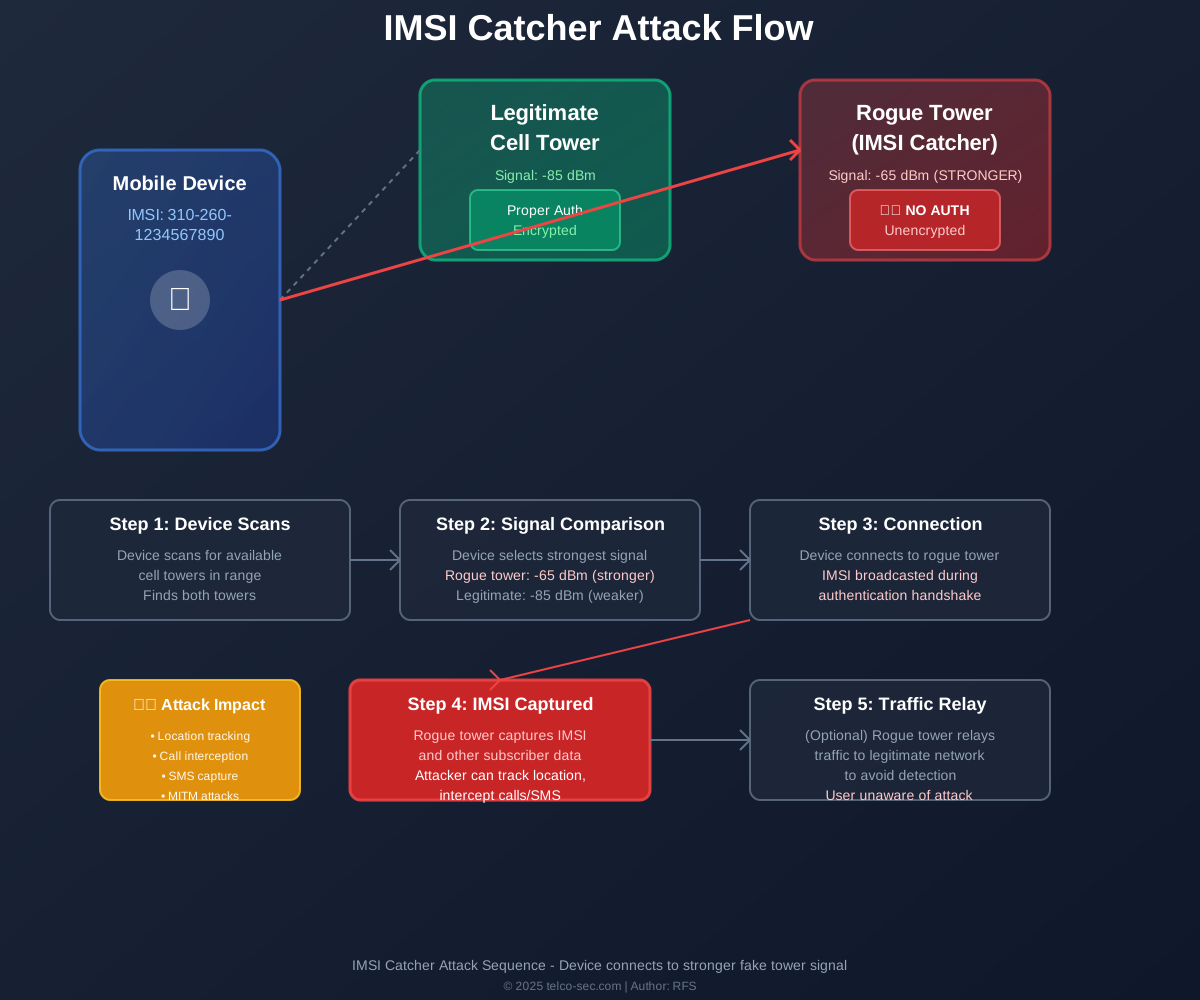
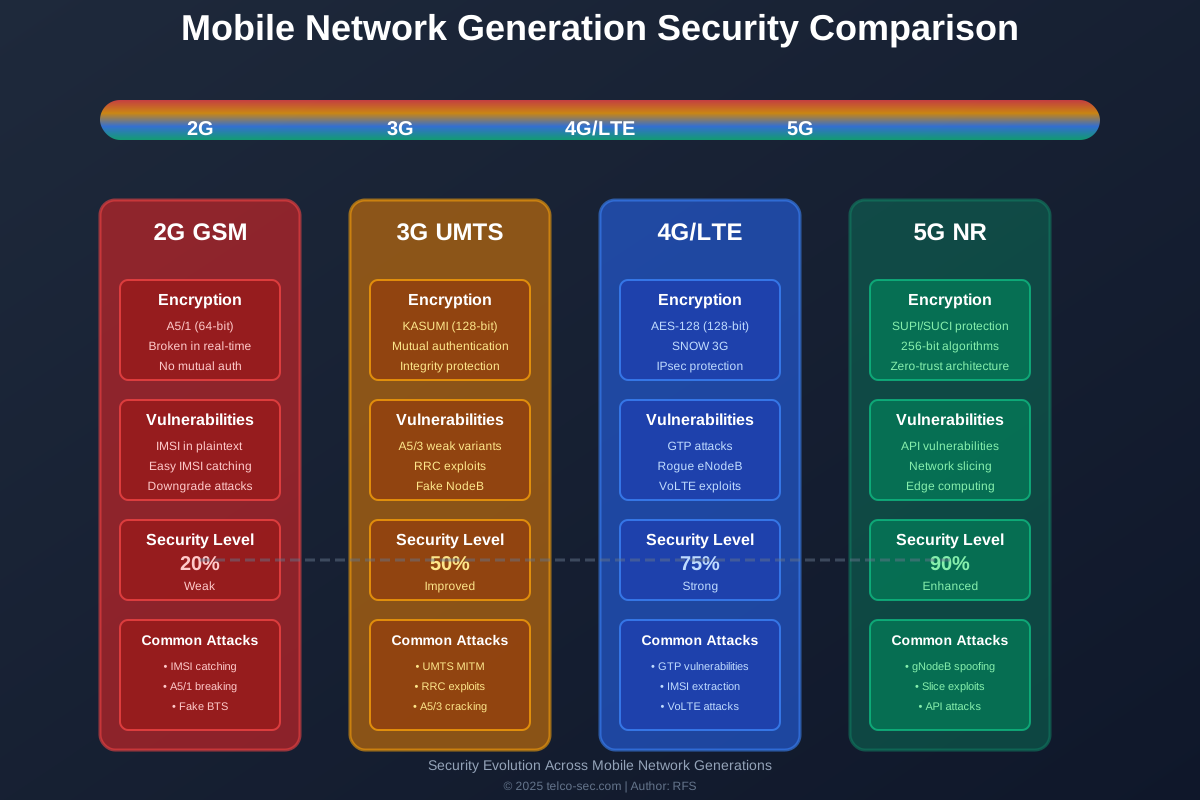
2G and 3G networks represent the foundational mobile network technologies with significant security weaknesses. These legacy systems lack modern encryption and authentication mechanisms, making them vulnerable to interception, tracking, and man-in-the-middle attacks. Many vulnerabilities in these networks are well-documented and actively exploited.
4G LTE networks introduced significant security improvements but remain vulnerable to sophisticated attacks. These networks face threats from rogue base stations, protocol exploitation, IMS vulnerabilities, and VoLTE attacks. While more secure than 2G/3G, 4G networks are the current primary target for mobile network attackers.
IMSI Extraction
Despite 4G LTE's improved security, IMSI extraction attacks exploit vulnerabilities in the attach procedure to capture subscriber identities before encryption is established.
highVoLTE Exploits
Voice over LTE (VoLTE) exploits target vulnerabilities in the IMS architecture and SIP protocol to intercept calls, perform denial of service, or manipulate call routing.
highRogue eNodeB
Rogue eNodeB attacks involve deploying fake LTE base stations that impersonate legitimate network infrastructure to intercept communications and perform man-in-the-middle attacks.
critical5G networks introduce new security features like SUPI/SUCI protection, but also bring novel attack surfaces through network slicing, service-based architecture, edge computing, and IoT integration. While more secure by design, early 5G implementations show vulnerabilities in new protocols and architectures that attackers are actively exploring.
SUCI Attacks
Subscription Concealed Identifier (SUCI) attacks attempt to compromise the 5G privacy mechanism designed to protect subscriber identities through cryptographic concealment.
highgNodeB Spoofing
gNodeB spoofing involves deploying fake 5G base stations that impersonate legitimate network infrastructure to intercept communications and perform man-in-the-middle attacks.
criticalNetwork Slicing Exploits
Network slicing exploits target the 5G feature that creates multiple virtual networks on shared infrastructure, attempting to breach slice isolation or perform cross-slice attacks.
critical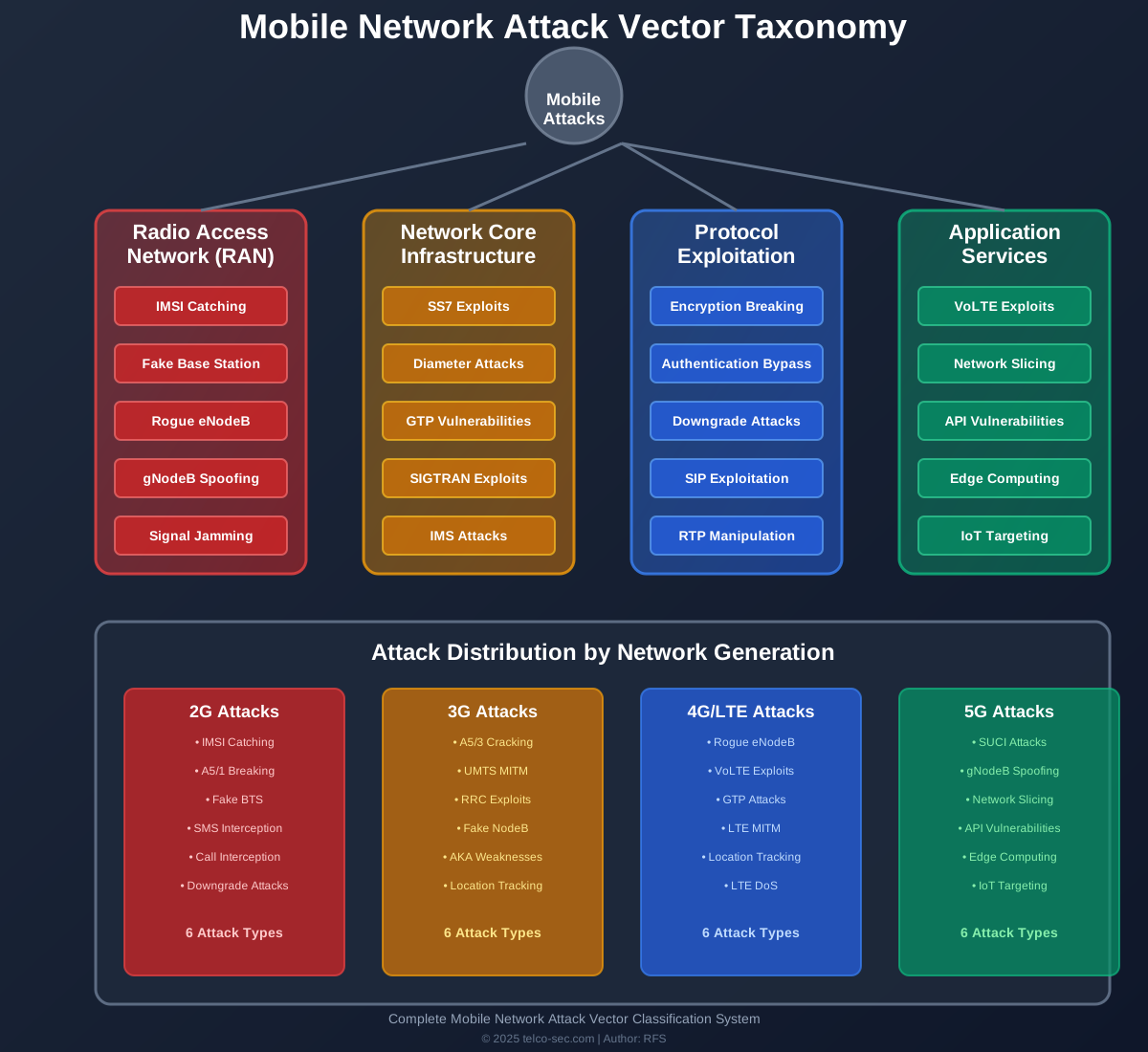
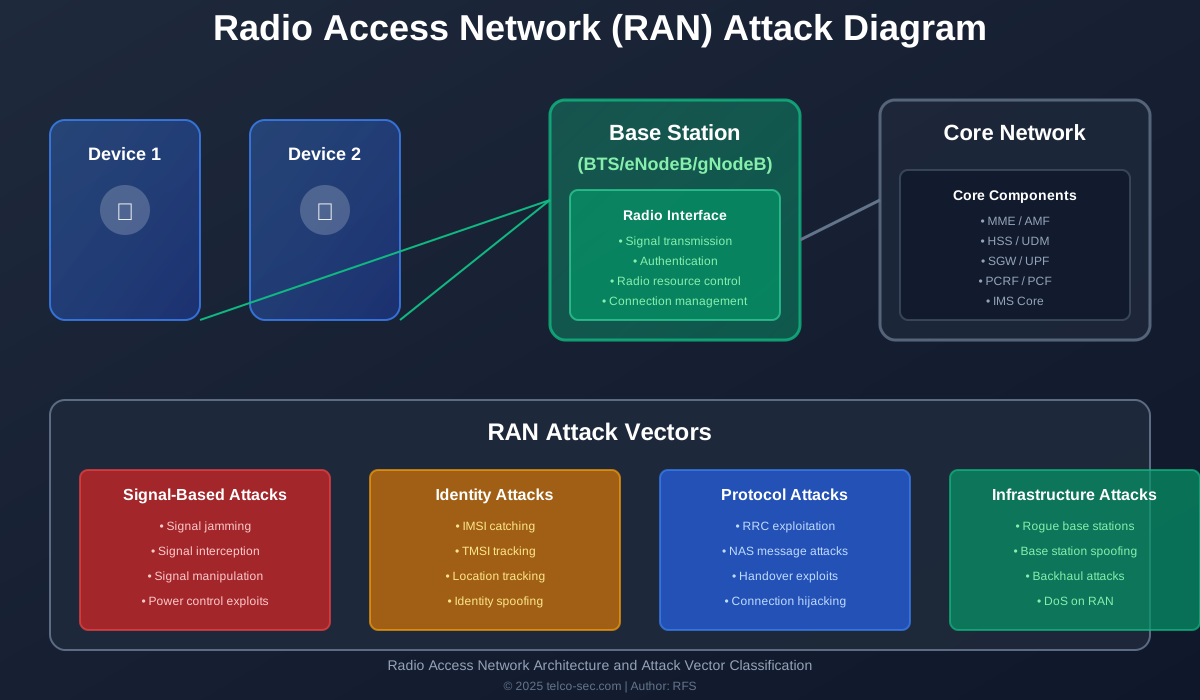
- TransmissionsTransmission security vulnerabilities across all technologies
- Android SecurityAndroid device security vulnerabilities and exploitation techniques
- 2G HackingComprehensive guide to 2G GSM network attacks and vulnerabilities
- IMSI Catcher Detection GuideComprehensive guide to detecting IMSI catchers and rogue base stations
- SS7 Attacks & VulnerabilitiesComplete guide to SS7 protocol vulnerabilities and signaling attacks
- VoLTE Security AnalysisIn-depth analysis of VoLTE security vulnerabilities and IMS attacks
- GTP VulnerabilitiesCritical security issues in 4G/5G GTP protocol implementations
- UE Attacks (User Equipment)Security vulnerabilities in mobile devices and user equipment
- MOTIF Attack MatrixMobile Threat Intelligence Framework with attack tactics and techniques
- Mobile Attack TaxonomyComplete classification framework for mobile security attacks
- Penetration Testing GuideProfessional methodologies for mobile network security testing