Back to UE Attacks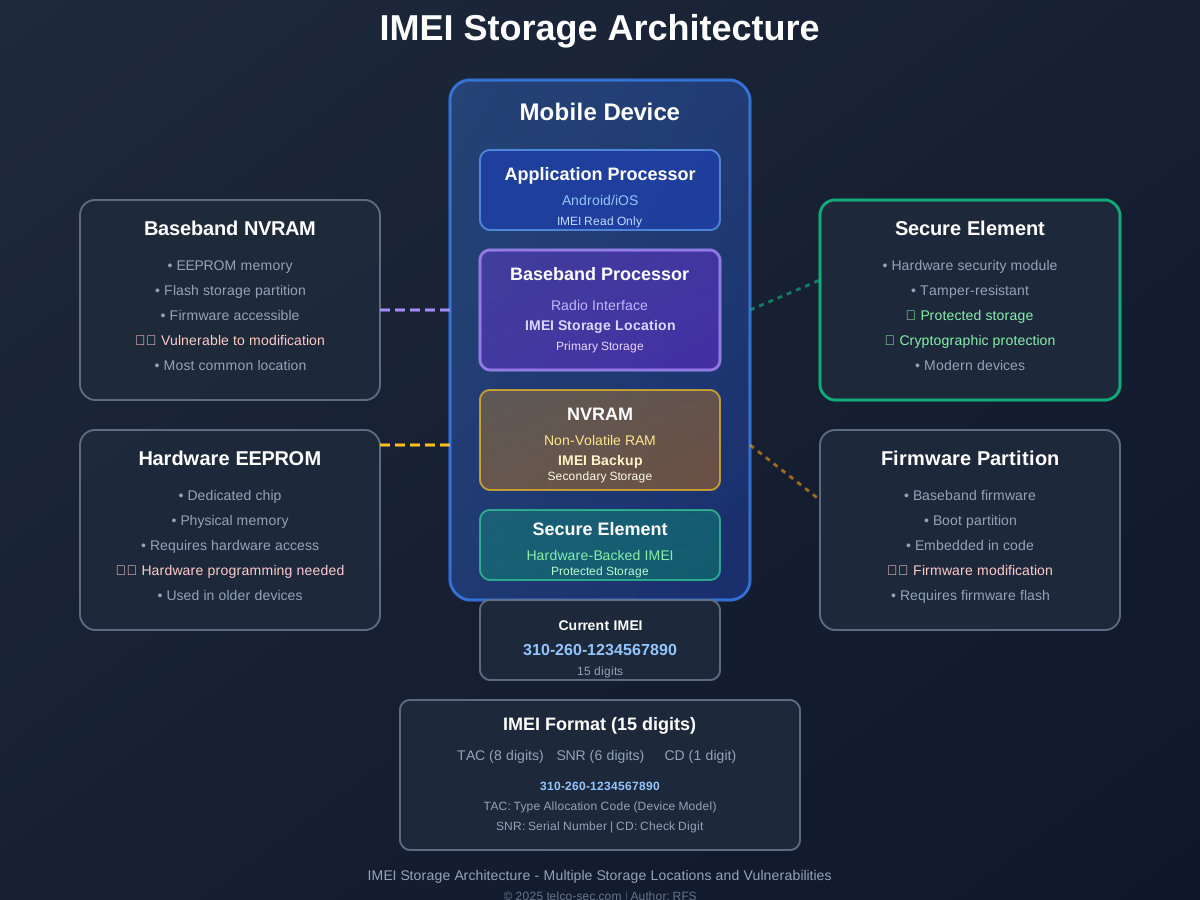

Device Security Attacks
CRITICALIMEI Tampering
Modification or cloning of the International Mobile Equipment Identity (IMEI) number to evade tracking, bypass blacklists, or impersonate legitimate devices on mobile networks.
This information is provided for educational and authorized security testing purposes only. Unauthorized device modification or exploitation may violate laws and regulations.
IMEI Storage Architecture
Multiple storage locations for IMEI including baseband processor, NVRAM, secure element, and firmware partitions with vulnerability indicators
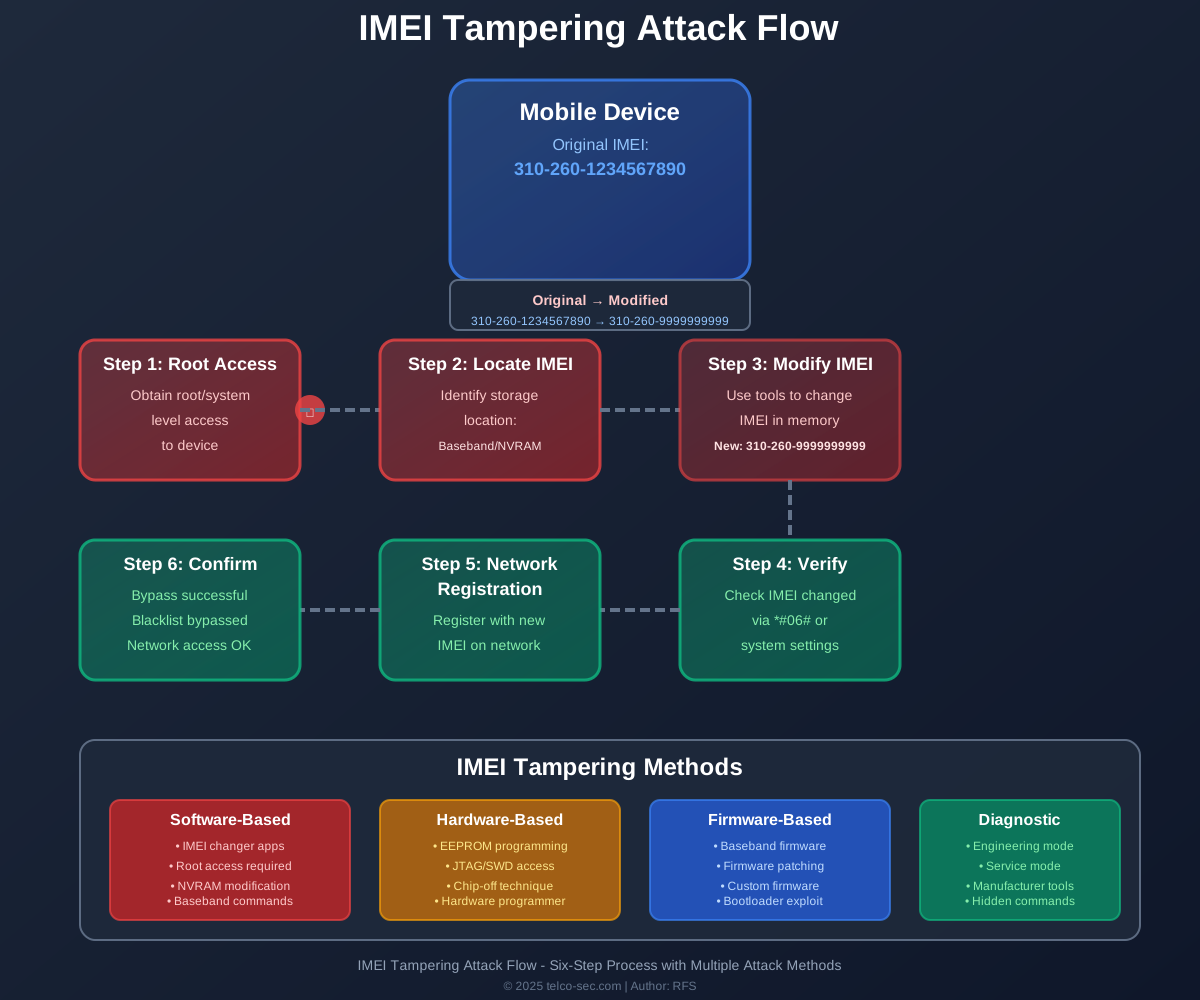
IMEI Tampering Attack Flow
Six-step attack process from root access through IMEI modification, verification, network registration, and successful bypass with animated flow indicators
Technical Overview
IMEI tampering involves modifying the device's unique identifier stored in the baseband processor or non-volatile memory. Attackers use specialized software tools, hardware programmers, or baseband exploits to change or clone IMEI numbers, enabling device identity fraud and network access violations.
Impact
Potential consequences of successful exploitation
- •Bypass of stolen device blacklists
- •Network fraud and unauthorized access
- •Evasion of law enforcement tracking
- •Warranty fraud and insurance scams
- •Enabling of stolen device markets
IMEI Modification Methods Comparison
Four primary attack vectors for IMEI modification with detailed comparison of software-based, hardware-based, firmware-based, and diagnostic methods including complexity, persistence, detection risk, and reversibility
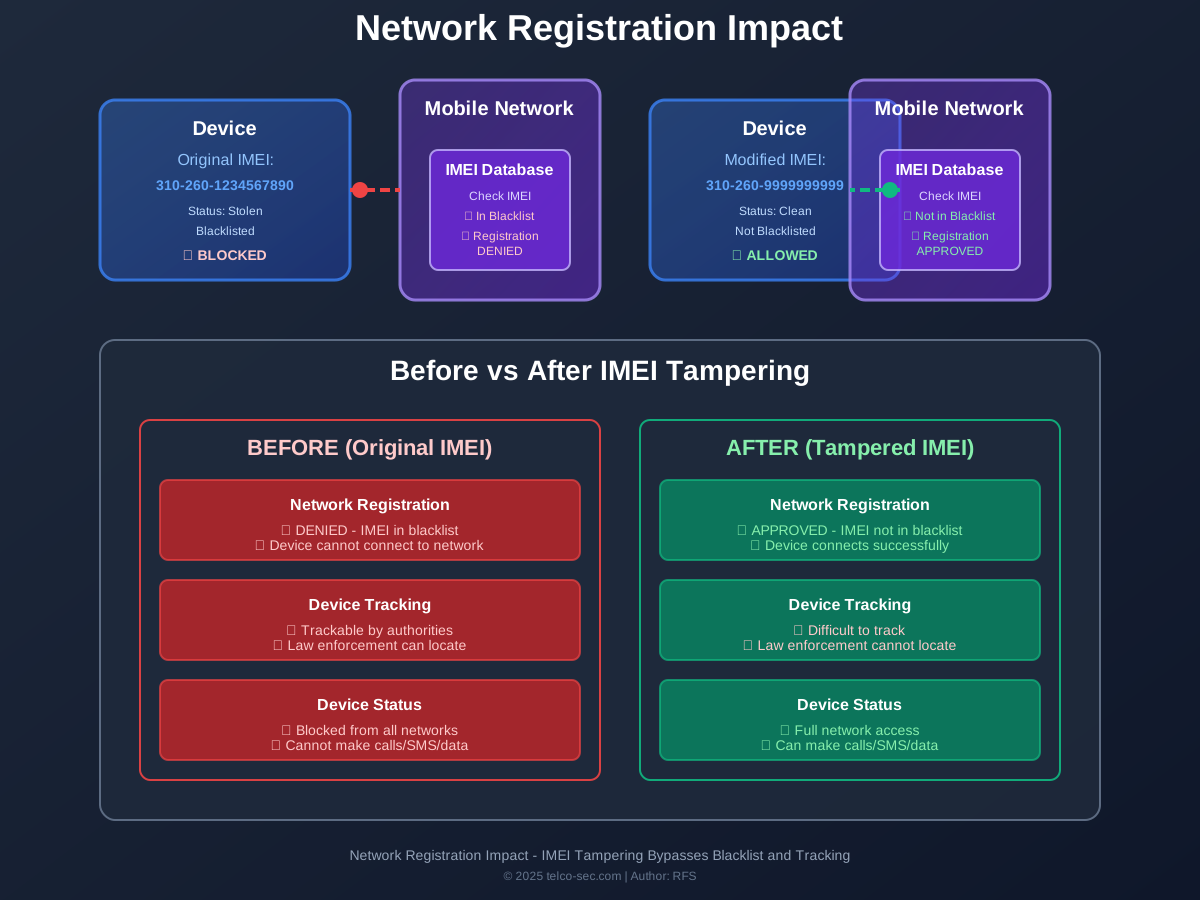
Network Registration Impact
Visual comparison of network registration before and after IMEI tampering showing blacklist bypass, tracking evasion, and device status changes with animated network signals
Attack Vectors
Methods used to execute this attack
- •Baseband processor exploitation
- •NVRAM modification through root access
- •Hardware EEPROM programming
- •Software-based IMEI changing tools
- •Baseband firmware manipulation
Attack Methodology
Step-by-step attack execution process
- 1Obtain root or system-level access to device
- 2Identify IMEI storage location (baseband, NVRAM)
- 3Use specialized tools (IMEI changer apps, hardware programmers)
- 4Modify IMEI in baseband firmware or memory
- 5Verify new IMEI registration on network
- 6Test device functionality and network access
Mitigations & Defense
Recommended security measures and countermeasures
- Implement hardware-backed IMEI storage
- Use secure elements for device identity
- Deploy IMEI validation at network level
- Monitor for duplicate IMEI registrations
- Implement tamper-evident hardware
- Regular IMEI database audits and verification
Real-World Examples
Documented cases and practical scenarios
- →Stolen phone IMEI changing for resale
- →Criminal use of cloned IMEI devices
- →Warranty fraud through IMEI manipulation
- →Bypassing carrier blacklists
- →International phone smuggling operations
References & Resources
Related Attacks
Mobile Phone Unlocking
highUnauthorized unlocking of mobile devices to bypass carrier restrictions, remove security features, or gain elevated privileges through bootloader exploitation and software manipulation.
SIM Lock Bypass
mediumCircumvention of carrier SIM locks that restrict devices to specific network operators, enabling use of unauthorized SIM cards and bypassing carrier restrictions.
Firmware Tampering
criticalModification of device firmware to inject malicious code, remove security features, or alter device behavior at a fundamental level below the operating system.
Device Fingerprinting Attacks
mediumExploitation of device fingerprinting techniques to track users across applications and services, or to spoof device identities for fraud and privacy violations.