Baseband Processor Exploitation
Understanding remote code execution vulnerabilities in baseband processors, firmware exploitation techniques, and the critical security implications of baseband compromise.
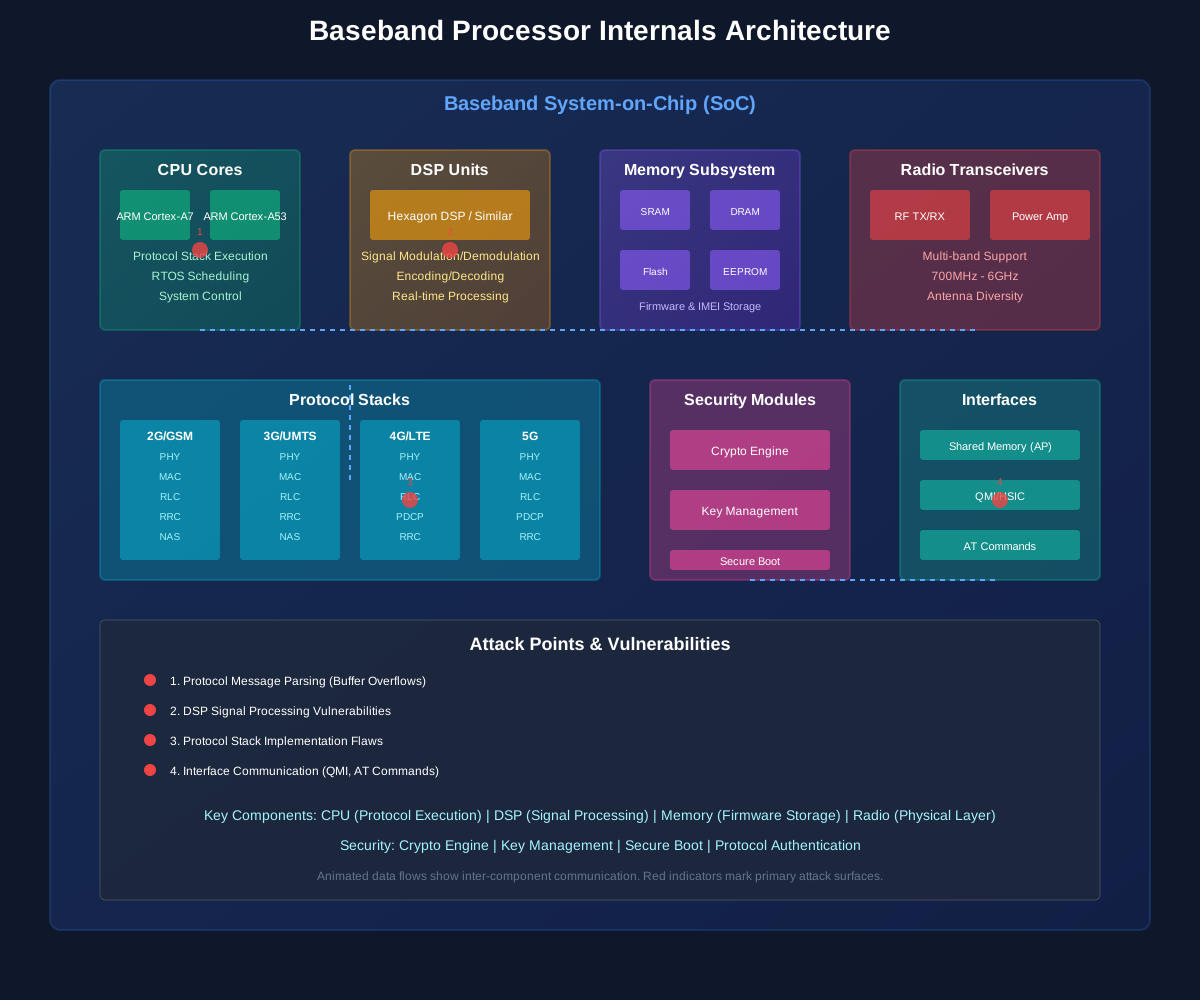
Baseband Processor Overview
The baseband processor is a specialized system-on-chip that operates as an independent computer system within mobile devices. It handles all cellular radio communications (2G/3G/4G/5G) and runs its own real-time operating system (RTOS), completely isolated from the main application processor. This isolation creates a significant attack surface that is often overlooked in security assessments.

Attackers can exploit baseband vulnerabilities remotely by sending malformed cellular protocol messages without physical access to the device.
- LTE RRC message manipulation
- 5G NGAP protocol exploitation
- NAS message injection
- Protocol fuzzing attacks
Insecure over-the-air firmware update mechanisms can allow attackers to install malicious baseband firmware.
- OTA update interception
- Signature verification bypass
- Downgrade to vulnerable firmware
- Malicious firmware injection
AT commands provide a text-based interface for controlling baseband functions. Insecure implementations can allow code execution.
- Command injection vulnerabilities
- Privilege escalation
- Configuration manipulation
- Diagnostic command abuse
Communication interfaces between application and baseband processors can be exploited for privilege escalation.
- QMI (Qualcomm MSM Interface)
- HSIC/USB communication
- Shared memory buffer overflows
- Interface protocol vulnerabilities
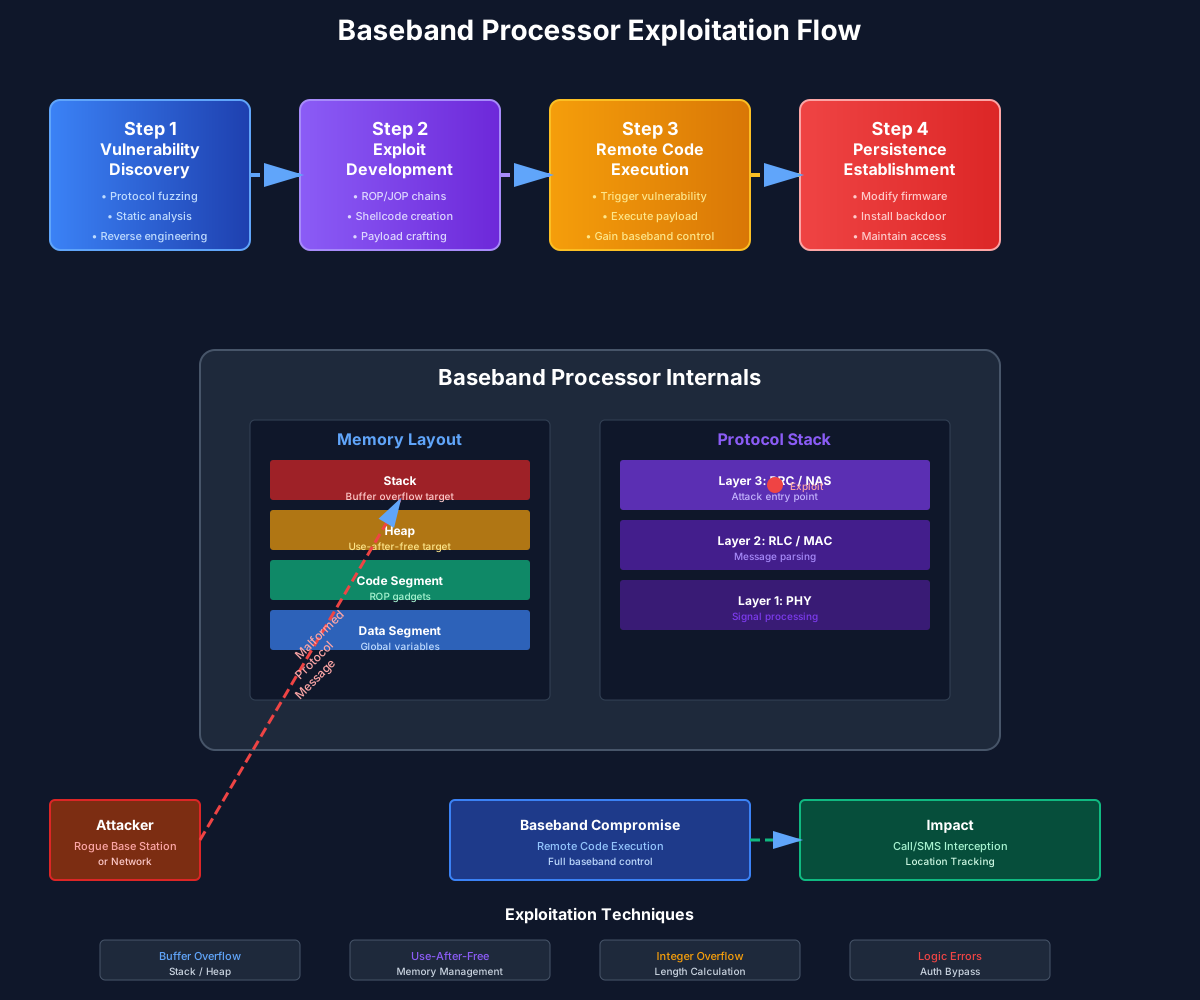
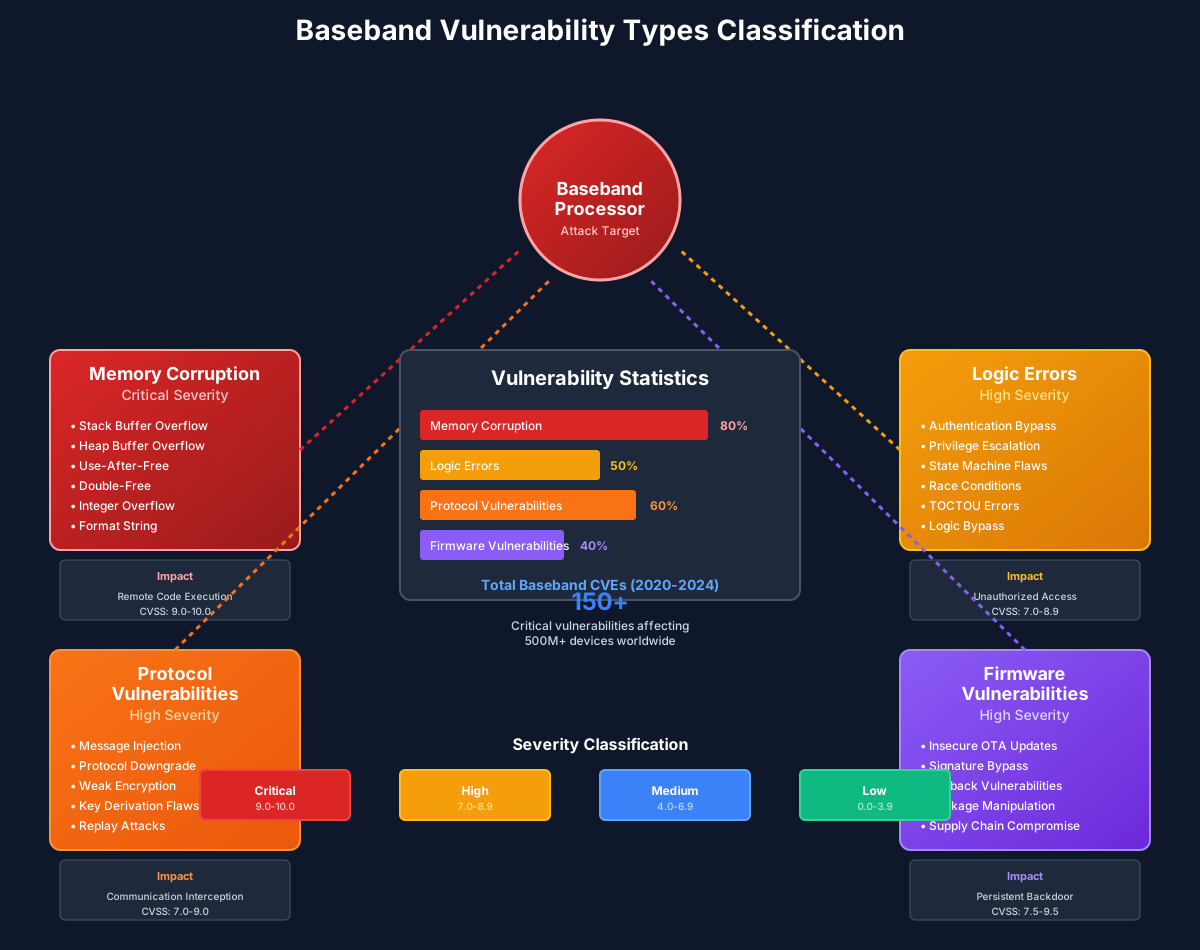
Buffer overflows and memory safety violations in protocol message handlers.
- Stack-based buffer overflows
- Heap-based buffer overflows
- Use-after-free vulnerabilities
- Double-free errors
- Integer overflows leading to buffer overflows
Flaws in authentication, authorization, and protocol state machine logic.
- Authentication bypass vulnerabilities
- Privilege escalation flaws
- State machine manipulation
- Race conditions
- Time-of-check-time-of-use (TOCTOU) errors
Weaknesses in cellular protocol implementations and message handling.
- Protocol message injection
- Protocol downgrade vulnerabilities
- Weak encryption implementation
- Key derivation flaws
- Replay attack vulnerabilities
Security flaws in over-the-air firmware update mechanisms.
- Insecure update channels
- Signature verification bypass
- Firmware rollback vulnerabilities
- Update package manipulation
- Supply chain compromises
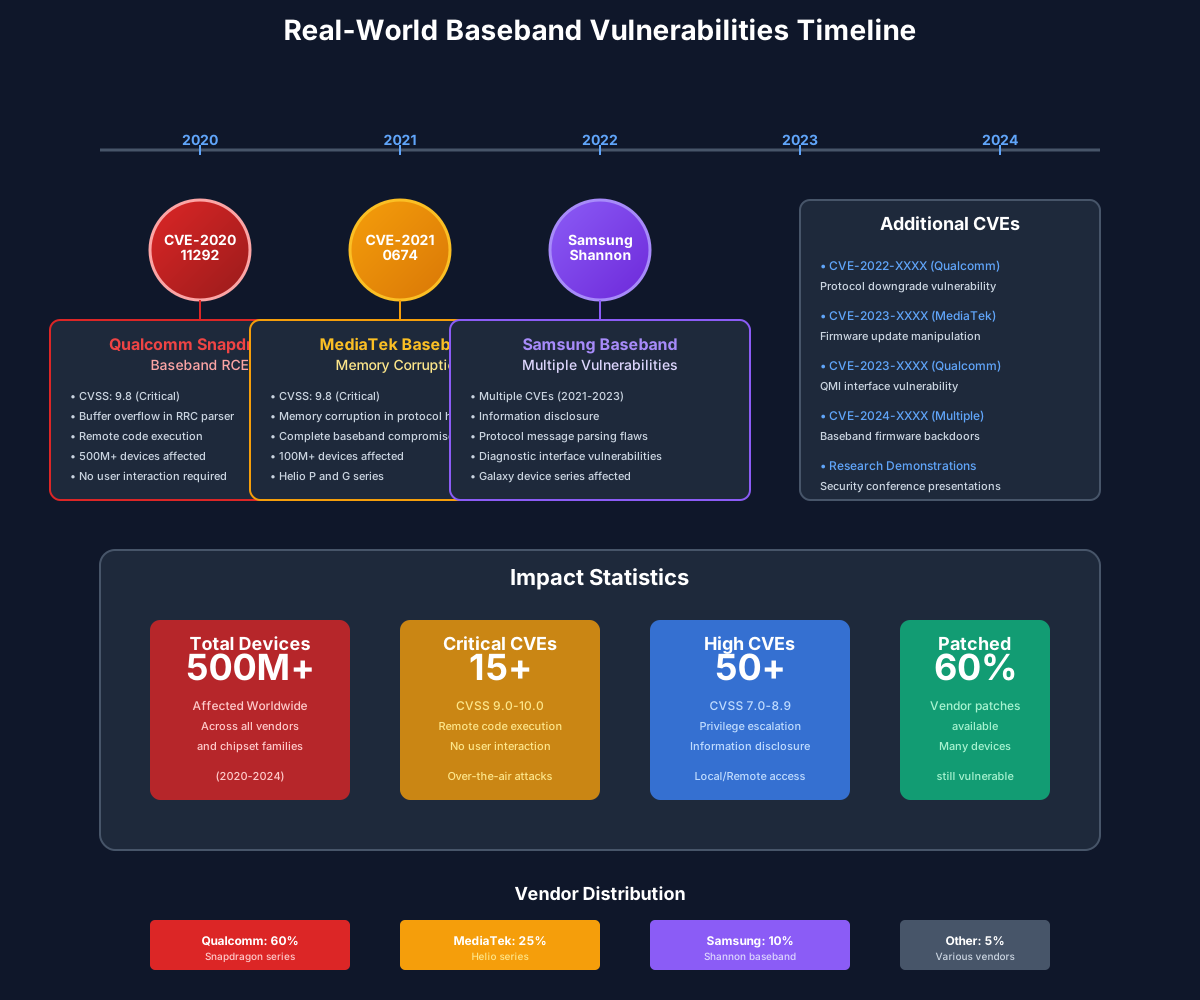
Qualcomm basebands power the majority of Android devices worldwide. Historical vulnerabilities have demonstrated the severe security implications of baseband exploitation, with some CVEs affecting hundreds of millions of devices.
Qualcomm MSM Interface (QMI) vulnerabilities allowing privilege escalation from application processor to baseband processor.
Buffer overflows and memory corruption vulnerabilities in LTE and 5G protocol stack implementations.
Exploitation Technique:
- Identify vulnerable baseband firmware version
- Craft malformed LTE/5G protocol messages
- Trigger memory corruption in baseband processor
- Execute shellcode in baseband context
- Establish persistence through firmware modification
- Pivot to application processor if possible
MediaTek basebands are prevalent in mid-range and budget Android devices. Security research has uncovered numerous vulnerabilities in their implementation, with some allowing remote code execution.
Memory corruption vulnerabilities in 4G/LTE protocol message handlers allowing remote code execution.
Insecure OTA firmware update mechanisms allowing malicious firmware installation.
Attack Methodology
- 1Identify baseband processor and firmware version
- 2Reverse engineer baseband firmware
- 3Fuzz radio protocols and interfaces
- 4Exploit discovered vulnerabilities
- 5Establish persistent access to baseband
- 6Intercept or manipulate radio communications
- Protocol message fuzzing
- Mutation-based fuzzing
- Coverage-guided fuzzing (AFL, libFuzzer)
- Symbolic execution for deep paths
- Static analysis of firmware
- ROP/JOP chain construction
- Shellcode development for RTOS
- Memory layout analysis
- Bypass security mitigations
- Establish persistence mechanisms
- •Remote code execution on baseband processor
- •Interception of calls, SMS, and data traffic
- •Location tracking and surveillance
- •Network protocol manipulation
- •Persistent backdoor installation
- Implement baseband firmware signature verification
- Deploy secure OTA update mechanisms
- Use hardware-backed baseband isolation
- Implement baseband integrity monitoring
- Regular security audits of baseband firmware
- Deploy network-level anomaly detection
- Implement secure boot for baseband firmware
- Use hardware-backed firmware signature verification
- Deploy secure OTA update mechanisms
- Regular security audits of baseband firmware
- Implement baseband integrity monitoring
- Isolate baseband from application processor
- Deploy network-level anomaly detection
- Monitor for protocol manipulation attempts
- Implement network-level security controls
- Detect and block malicious base stations
- Monitor for unusual device behavior
- Implement threat intelligence sharing
- Monitor for protocol anomalies and malformed messages
- Detect unusual baseband communication patterns
- Identify protocol downgrade attempts
- Monitor for rogue base station connections
- Track IMSI catching and location tracking attempts
- Analyze network signaling for suspicious activity
- Baseband firmware integrity monitoring
- Anomaly detection in baseband behavior
- Monitor for unexpected protocol messages
- Detect unauthorized firmware modifications
- Track baseband processor resource usage
- Monitor for privilege escalation attempts
Detection Indicators:
Behavioral Indicators:
- • Unexpected protocol downgrades
- • Unusual network registration patterns
- • Anomalous call/SMS behavior
- • Increased baseband processor load
Technical Indicators:
- • Modified baseband firmware signatures
- • Unexpected protocol message types
- • Memory corruption patterns
- • Unauthorized diagnostic access
- →Qualcomm baseband vulnerabilities (CVE-2020-11292)
- →MediaTek baseband exploits (CVE-2021-0674)
- →Samsung Shannon baseband vulnerabilities
- →Baseband backdoors in surveillance devices
- →Research demonstrations at security conferences
- •LTE Fuzzer: Protocol fuzzing framework for LTE/5G
- •AFL (American Fuzzy Lop): Coverage-guided fuzzing for baseband firmware
- •libFuzzer: In-process fuzzing engine for protocol handlers
- •Baseband Emulator: Emulation environment for testing
- •IDA Pro / Ghidra: Disassemblers for baseband firmware analysis
- •Radare2: Open-source reverse engineering framework
- •QEMU: Emulation for baseband processor testing
- •Firmware Analysis Toolkit: Automated firmware analysis
- •OpenBTS / YateBTS: Open-source base station for testing
- •srsRAN: Software-defined radio for LTE/5G testing
- •IMSI Catcher Detection Tools: Detect rogue base stations
- •Wireshark / tcpdump: Network protocol analysis
- •GSMA Security Guidelines: Industry security standards
- •3GPP Security Specifications: Protocol security standards
- •NIST Mobile Security Guidelines: Security best practices
- •CVE Database: Track baseband vulnerabilities
"Baseband Attacks: Remote Exploitation of Memory Corruptions in Cellular Protocol Stacks"
USENIX Security Symposium, 2020
Comprehensive analysis of baseband vulnerabilities and remote exploitation techniques
"Breaking Cellular Security: Exploiting Baseband Processors"
Black Hat USA, 2021
Practical demonstration of baseband exploitation and mitigation strategies
"5G Baseband Security: Vulnerabilities and Exploitation"
IEEE Security & Privacy, 2022
Analysis of 5G baseband processor security and protocol vulnerabilities
"Firmware Reverse Engineering and Exploitation of Mobile Basebands"
DEF CON, 2023
Techniques for reverse engineering and exploiting baseband firmware
- •Black Hat: Baseband exploitation techniques and real-world CVEs
- •DEF CON: Reverse engineering baseband firmware and protocol stacks
- •USENIX Security: Academic research on baseband security vulnerabilities
- •IEEE Security & Privacy: Protocol-level security analysis
- •GSMA Security: Industry standards and best practices
- •3GPP Technical Specifications: Official protocol documentation
- •GSMA Security Guidelines: Industry security recommendations
- •NIST Mobile Device Security: Government security standards
- •IEEE Communications Standards: Network security protocols